
Article Summary
Across seven Optimist engagements (HelloSign’s $230M acquisition, Stampli’s 5x monthly pipeline, Glide’s 14x weekly signups, and more) the same operating pattern shows up.
Pipeline as the north star from day one, keyword universes built backward from a buyer diagnostic, product surfaces anchoring content selection, and category education for nascent verticals.
Those decisions also produce brand mentions and recommendations in ChatGPT, Perplexity, Gemini, and Google AI Overviews today, which is why these SEO programs still work and help drive AI search visibility alongside traditional search rankings.
The metric a B2B SaaS SEO case study leads with tells you what the agency was paid to deliver.
When the top-line number is traffic, the contract was traffic.
When it’s pipeline, signups, or revenue, the contract was pipeline, signups, or revenue.
It also tells you about the kind of vendor you’re evaluating.
Are they a strategic partner who’s plugged into the business? Or are they simply a go-for kind of partner who sells services and deliverables from a pre-set menu?
The seven SEO case studies below all name a pipeline outcome up front.
Because that’s the kind of work we do with clients. And when looking at each of these case studies, you’ll see the specific mechanics behind the strategy and key insights that allow us to drive real, sustainable growth.
HelloSign’s $230M Acquisition and 1,308% Organic Traffic
Optimist worked with HelloSign from their Series B through the Dropbox acquisition.
Organic traffic grew 1,308% over 17 months, and the content engine kept feeding signups through the acquisition.
Every content brief the team wrote was measured against product signups and trial activations. That single choice reshaped keyword selection, content depth, CTA placement, and internal linking. A document-signing product needs content that meets buyers at the moment they’re trying to sign, comparing options, or replacing an existing workflow.
Adobe, DocuSign, and SignNow all had bigger content libraries.
So what was our strategy? How did we build a machine to win this competitive space?
The playbook here was, honestly, pretty standard for us.
But what set it apart from competitors was the comprehensive nature. We built a robust, multi-faceted SaaS SEO strategy that met buyers at each stage of the journey and drive conversions from the buyers who mattered most to the business.
We started by breaking down the strategy across the various audience segments we were addressing.
As you can imagine, there are a lot of use cases for esignatures. Our job was to identify the highest-value segments and then create content to drive conversions from each audience – simultaneously.
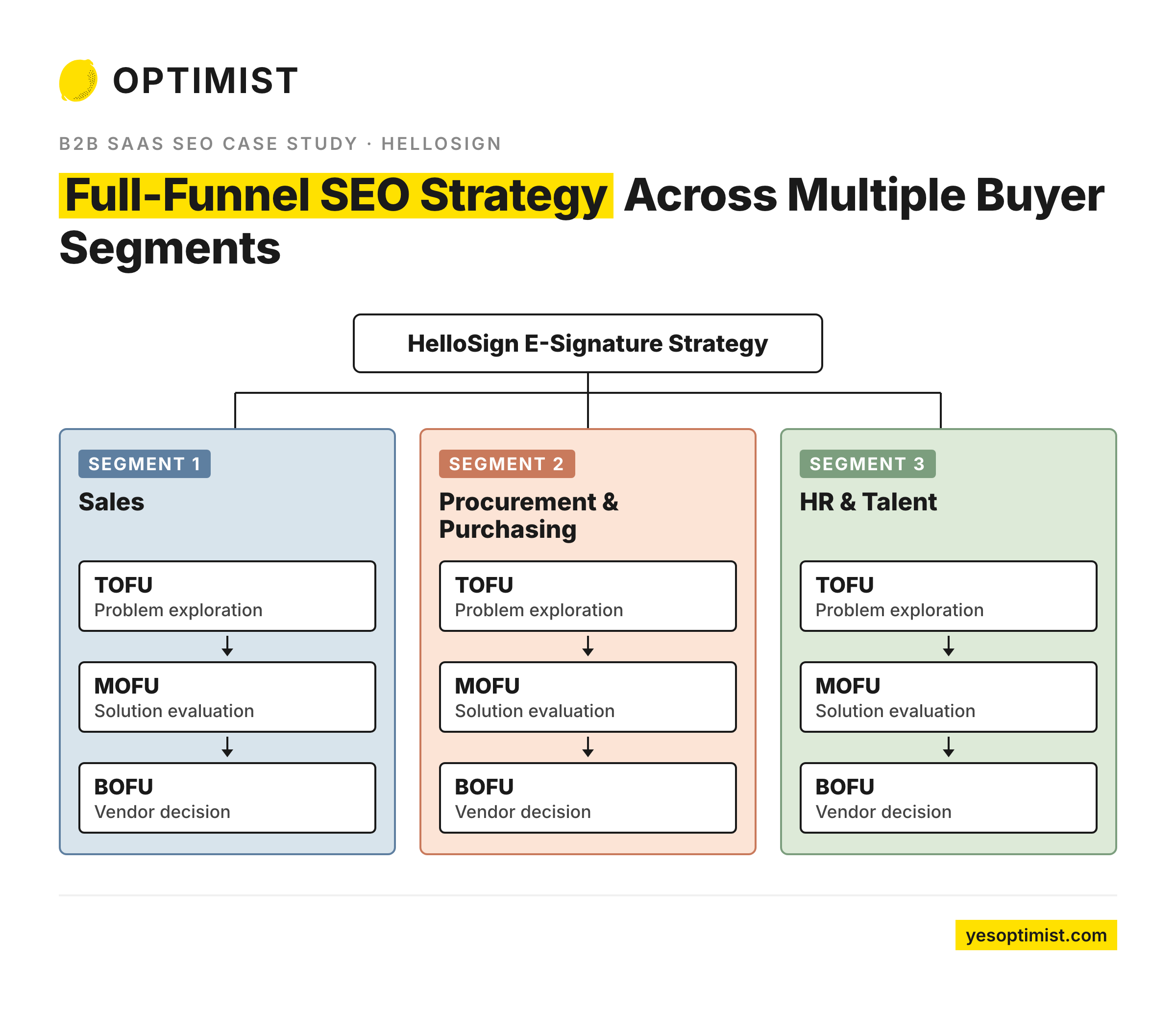
This meant targeting buyers across functions like:
- Sales
- Procurement and purchasing
- HR and talent
For each segment, we broke down the strategy further to target buyers within those segments throughout the funnel – from initial problem exploration to vendor comparison and purchase decision.
Top of the Funnel Content
A lot of companies think of “top of the funnel” as pure awareness. It’s just about getting eyeballs on the brand and then… maybe they’ll convert later?
We approach TOFU content differently.
For HelloSign, we built two separate but connected streams of content meant to capture buyers at the earliest stages in their buying journey.
First, we built a catalog of thought leadership content that cast the vision for how HelloSign was transforming work for their key audiences like sales teams.

We wrote one piece about how nobody wants to be a paper pusher and it resonated deeply with sales teams who were frustrated and felt like their best sales people were, indeed, wasting too much precious time handling paperwork when it should be digitized and automated.
The other component here was evergreen TOFU content – keyword-led content that connected directly to goals, pain points, and JTBDs HelloSign helps customers address.

This content helped us capture inbound demand for buyers who were already starting their buying journey and looking for information on the best solutions.
Middle of the Funnel Content
HelloSign’s MOFU SEO strategy was dominated by content aimed at specific and connected use cases.
This included:
- How-to content explaining specific implementations and workflows
- Product listicles (“The best online contract platforms”)
- Feature and integration content
- Implementation planning content for actually deploying esignature software
At the end of the day, this is the meat of the strategy.
MOFU is traditionally where you capture the biggest set of in-market buyers right when their attention turns from problems and goals to actual solutions.
Bottom of the Funnel Content
Finally, we helped HelloSign create a catalog of BOFU resources – comparing their product to other solutions on the market and helping buyers decide which solution is right for them.
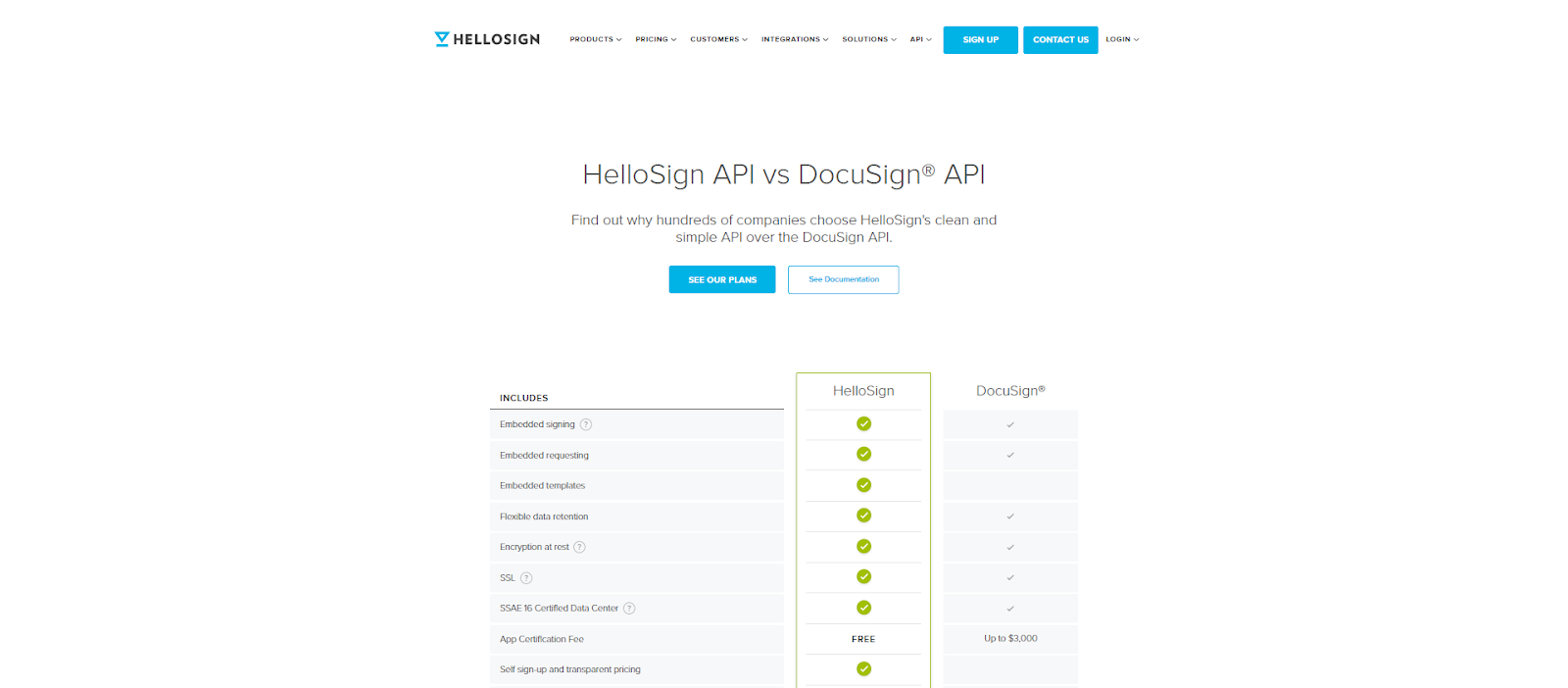
This included a mix of competitor comparison content and other competitive pieces that showcased HelloSign’s unique functionality and broad feature set for esignatures across use cases.
All together, this strategy was about building a complete catalog of content to rank for keywords and topics that spanned the entire customer journey that creates a sustainable inbound motion that reliably drives new customers and revenue.
Read the full case study on our work with HelloSign to see the full picture.
Stampli’s 5x Monthly Pipeline Across a 7-Year Engagement
Working with Optimist, Stampli saw a 5x lift in monthly inbound pipeline plus 20x organic traffic value across a 7-year engagement spanning Series B through Series D.
Stampli is the deepest engagement in Optimist’s history and the clearest evidence that a repeatable pattern exists.
The mandate was to make content consistently support Stampli’s current go-to-market strategy, even as the product, market, and competitive pressure changed.
That meant the strategy evolved along with shifts in the business and industry.
Phase 1: Buyer-Journey Foundations
Our initial work with Stampli was quite similar to the strategy we pursued with HelloSign.
We began by building a catalog of TOFU, MOFU, and BOFU content designed to capture inbound demand from buyers in the AP automation space.
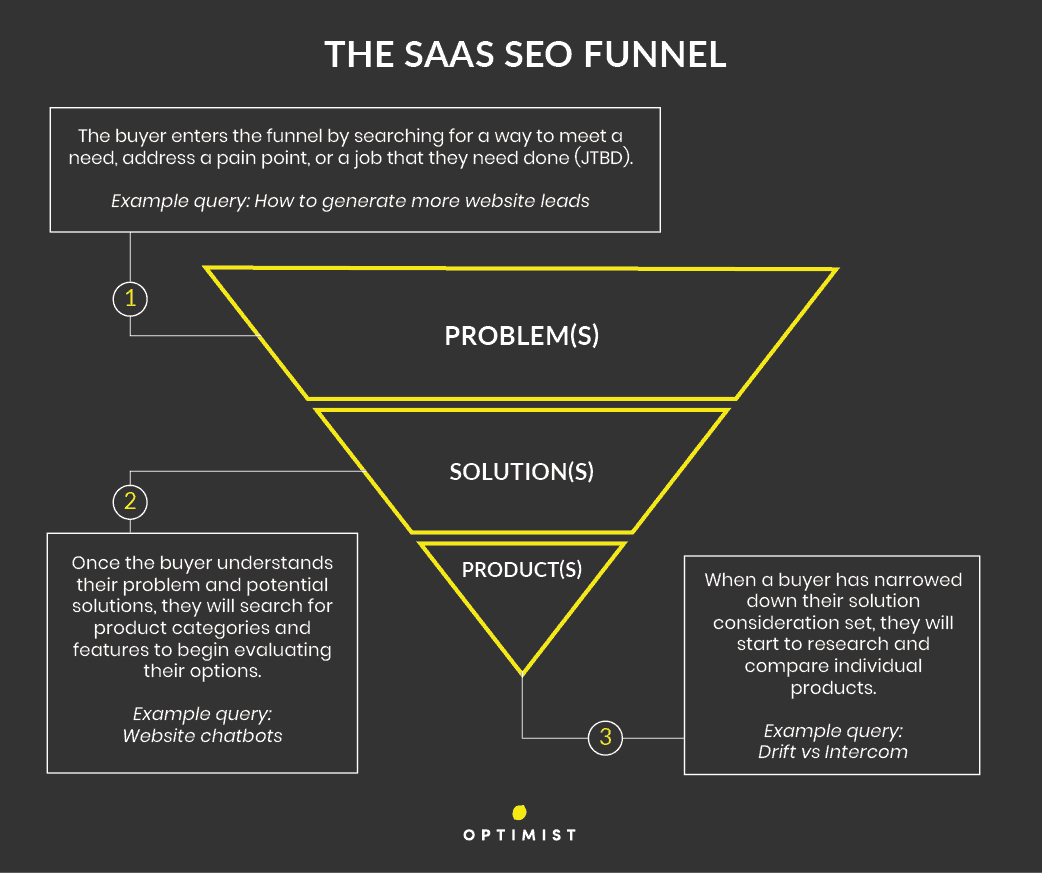
This was, ultimately, a fairly narrow niche. And the category of AP automation software was, at the time, fairly niche and unestablished. This meant focusing a lot on customer education and answering basic questions about what could be automated, how accounts payable automation worked, and what kind of results to expect.
This strategy catapulted Stampli from an obscure vendor to the top of many short lists, competing with brands like Tipalti, AvidXchange, and BILL.
Phase 2: Upmarket & Category Expansion
The AP automation space quickly became a crowded industry full of feature-similar competitors and alternative solutions.
Stampli’s business model evolved.
Their strategy for standing out was moving upmarket – serving larger customers with more complex implementations, and then expanding the product horizontally beyond accounts payable and into automating the entire procure-to-pay process.
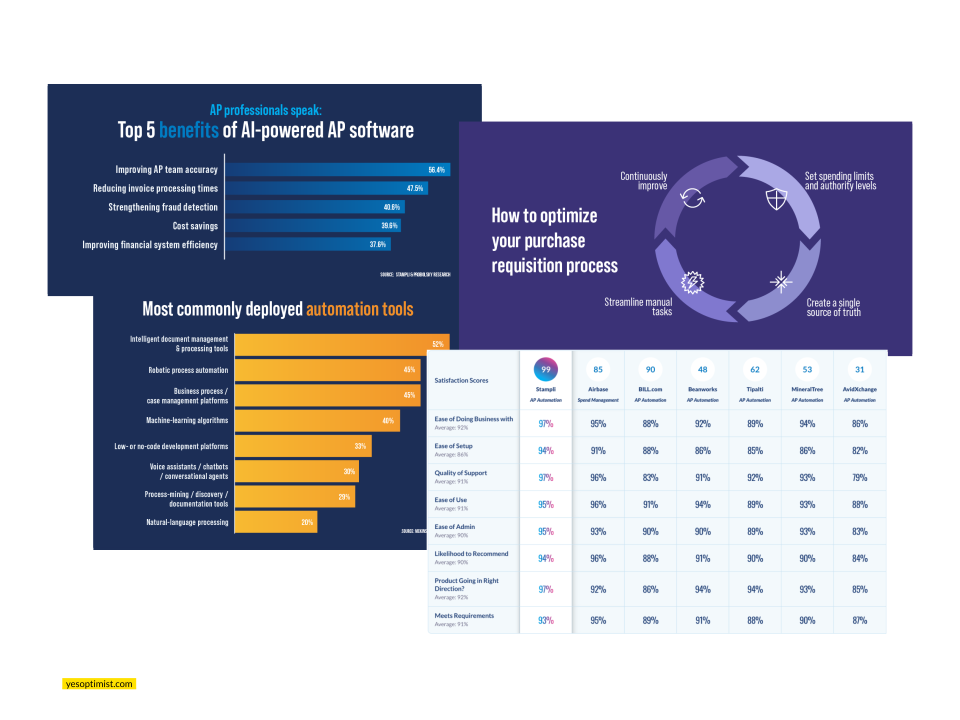
This meant evolving the content strategy as well.
Moving beyond standalone AP automation topics and tutorials, we moved into ERP integration content, bespoke workflow creation, and process management guides built for mid-market and enterprise buyers.
Again, this strategy helped Stampli navigate their evolution as a business and continue to drive targeted inbound leads from a smaller pool of higher-value customers.
Phase 3: Competitive Differentiation at Scale
By year 6 of our work together, Stampli was operating in a very competitive space, regularly running up against bigger competitors, smaller upstarts, and adjacent tools that had expanded from bill pay and accounting into financial automation.
The strategy evolved again.
This time, we focused on carving out Stampli’s positioning within this crowded market.
We built an entirely new system and workflow for establishing, strengthening, and amplifying Stampli’s key positioning and messaging versus their named competitor set.
This helped us not only create strong, search-optimized content but also begin laying the foundations for what would become our AI search strategy and shape responses and recommendations across AI surfaces like ChatGPT.
Evan Vuckovic, Stampli’s Director of Growth Marketing, gave the reason on a public Clutch review: Optimist “effectively bridged what AI search looks for with our mid-funnel business needs.” The buyer-journey architecture that produced the SEO pipeline was already answer-engine-shaped. That mattered later.
Glide’s 14x Weekly Signups and 1,200% Blog Traffic
The Glide case study breaks down the product-led SEO growth strategy for a no-code app builder that drove 14x weekly leads and product signups over about 12 months, on the back of 1,200% organic blog traffic.
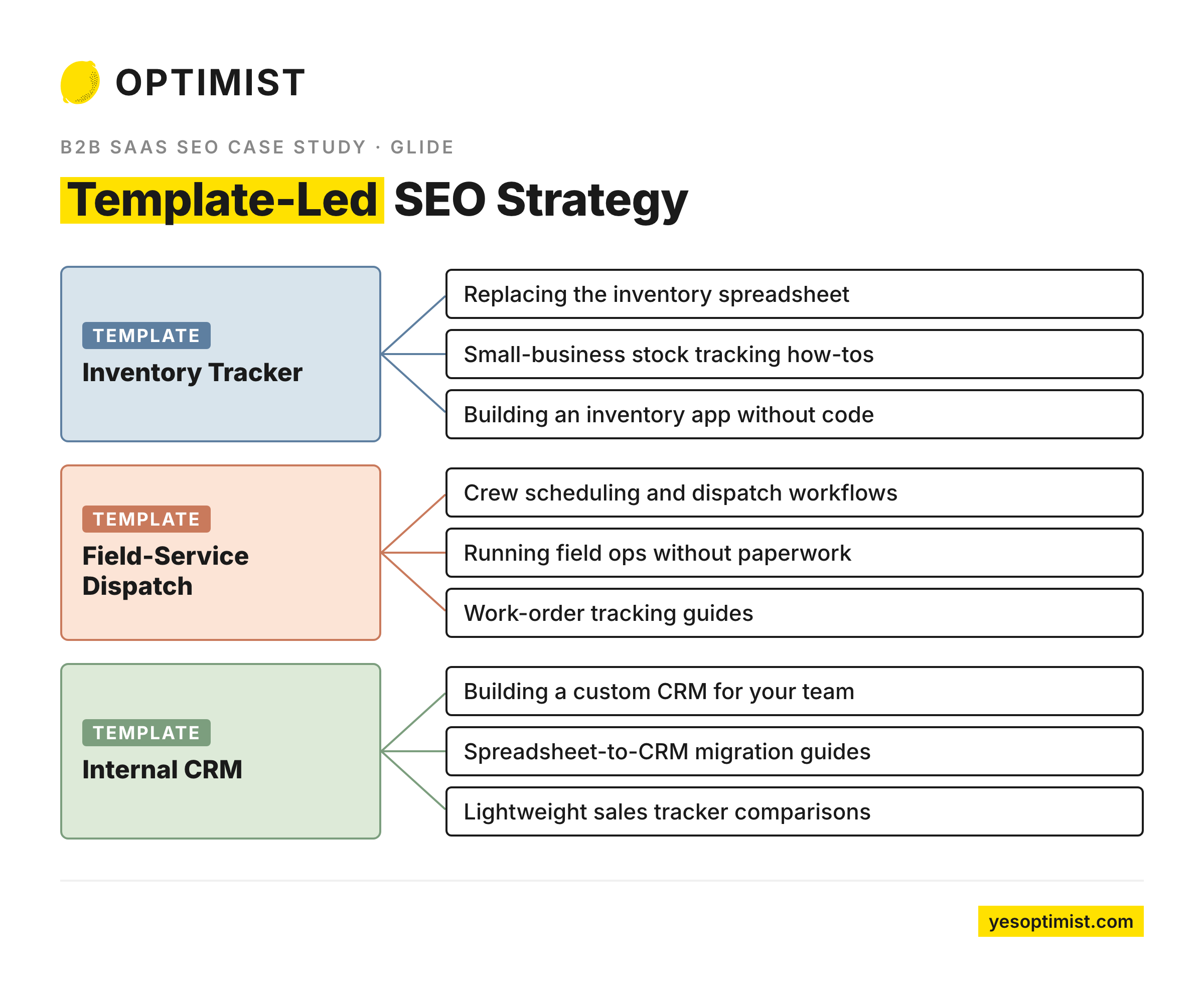
Glide had a template gallery, and every template represented a specific job a buyer was trying to do:
- Inventory tracker
- Field-service dispatch tool
- Internal CRM
Templates were the product surface, so templates drove the content strategy.
I see the reverse pattern often in audits I run today, especially on PLG-motion SaaS with rich product surfaces. The content team is producing keyword-mapped blog posts, and the product surface most likely to convert an evaluator (a template, a use-case page, an integration) is either buried or absent.
Traffic goes up.
Signups don’t.
For Glide, we inverted that sequence: Templates first, keywords second, blog content third.
The keyword universe was built off these specific use cases with content anchored to the template that solved the problem.
The CTA was “try this template” – and moved customers into the product almost immediately.
This integrated approach to product, content, and SEO strategy was a natural fit for the GTM motion and drove huge growth in user sign ups and recurring revenue.
Read the full case study for a deeper dive.
Kubera’s 43x Signups and Site-Wide Organic Growth
Kubera is a niche PLG motion, a wealth tracker for HNW individuals and family offices. The product wasn’t competing with mass-market finance apps. It was competing with custom spreadsheets and ad-hoc systems built by sophisticated users with highly specific needs.
The Kubera case study tells the full story of how we drove 43x product signups and roughly 3,000% site-wide organic traffic over 15 months.
The SEO strategy was never about chasing generic personal-finance intent, but targeting queries where the buyer had already outgrown the spreadsheet:
- Asset allocation across illiquid holdings
- Private equity tracking
- Multi-currency net-worth consolidation
In addition to these key use cases, we also knew the different classes of assets and accounts that were being tracked and managed by Kubera users.
Things like:
- Startup equity
- Cryptocurrency
- 401k/IRAs
- International bank accounts
Which means we can create content that’s aligned with hyper-specific use cases and needs of real customers – like “how do I track my full net worth, including startup equity AND Bitcoin AND international bank accounts?”
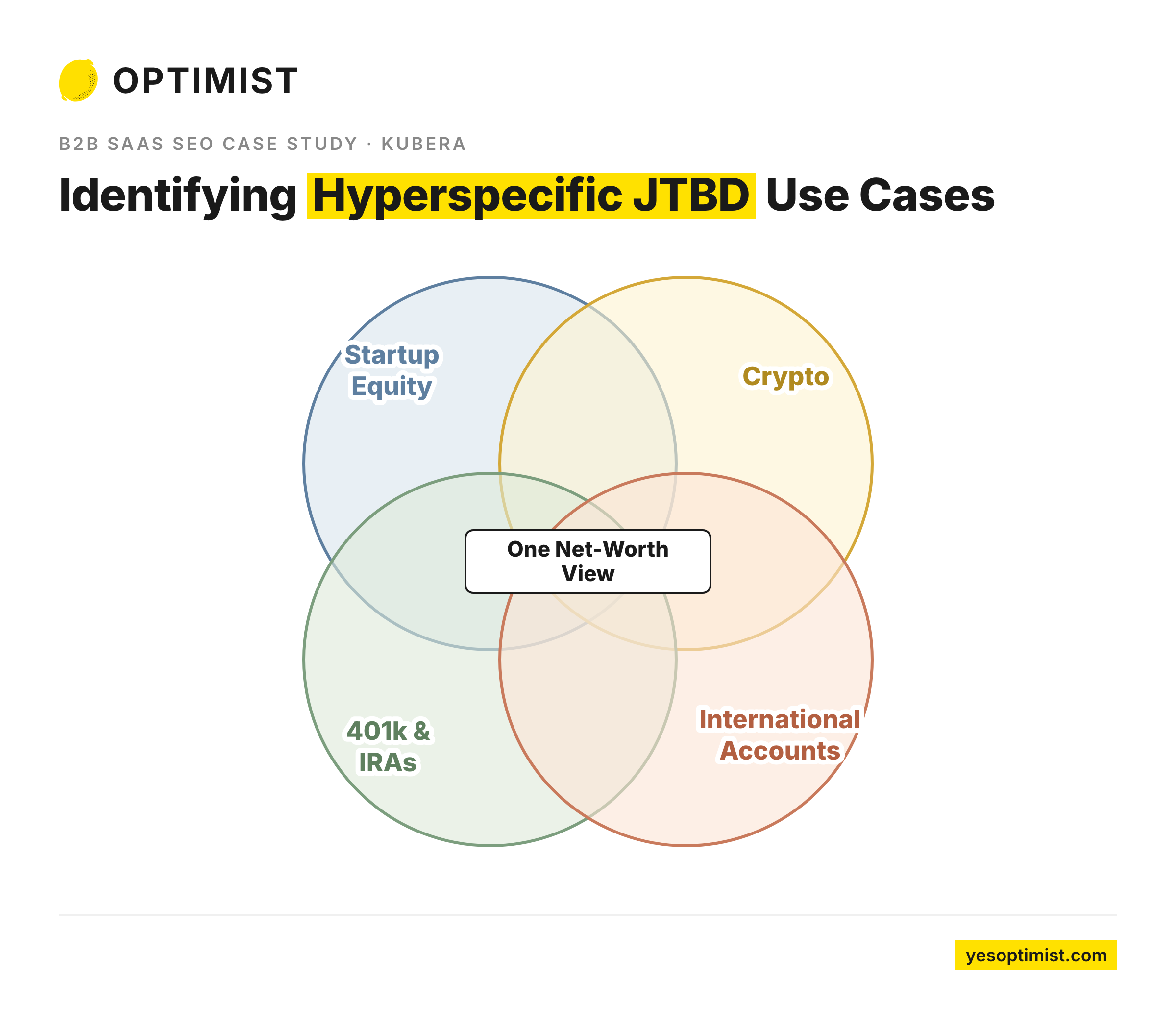
These are the use cases and content that competitors simply could not emulate and the foundation of our strategy.
This is fundamentally a strategy that focuses on understanding the Jobs to be Done (JTBD) of the product, features, and content.
Kubera’s founder Rohit Nadhani framed the engagement plainly: “Optimist understands business growth. Their team delivers world-class work with a laser focus on driving business results.”
The takeaway I keep coming back to on this one is that the SEO strategy must align with the way real buyers investigate, compare, and decide.
A simple cookie-cutter strategy won’t work in most cases because every business is different and the buying process is unique.
While there are certainly clear playbooks that work consistently, driving real growth requires understanding the realities of the specific business and then applying the right playbooks in the right ways.
Read the full case study on our work with Kubera.
How Plytix Turned Content Into Its #1 Growth Channel
We helped Plytix shift away from reliance on paid and made inbound and SEO their #1 growth channel, driving 5x increase in monthly inbound leads and 266% uptick in site traffic.
PIM (product information management) is a category most e-commerce operators don’t know they need until they see themselves in the constraint.
It’s one of those cases where buyers may not go searching for the specific product or solution by name, but they instantly recognize the problems it solves when they hear them.
The strategy was, first and foremost, about educating the audience on the problems they’re facing and helping them understand how PIM solves the pain points.
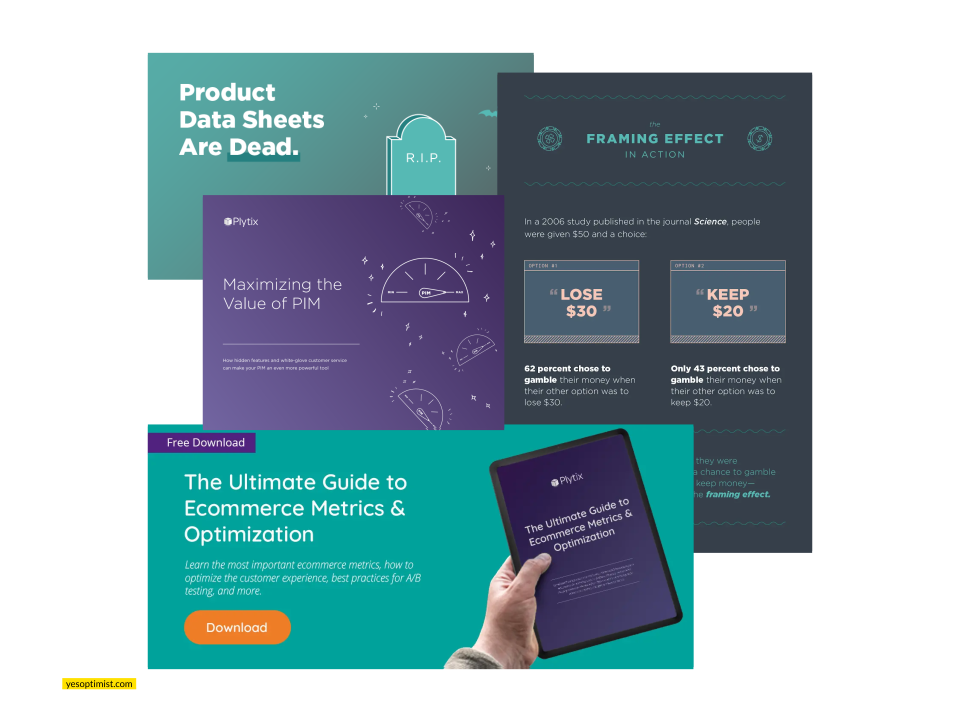
Content helped buyers understand the mess they were already in:
- Spreadsheet-based product data
- Channel-by-channel manual reconciliation
- Launch delays that traced back to product-content bottlenecks
Then it named why a PIM was the unlock.
Plytix moved from explaining what it does to owning why it matters.
And that shift led to a dramatic increase in inbound leads as buyers came to connect the pain points they felt every day to the solution category (PIM) and ultimately to Plytix.
That’s category education, and it’s the strategy any B2B SaaS in a nascent or misunderstood category has to run.
Categories get built by teaching the buyer to recognize their own problem and understand the process for solving it.
Plytix’s CEO Morten Poulsen said on the case study: “Optimist helped us build a predictable growth strategy and turned organic into our #1 channel for traffic and leads.”
Popmenu’s 3x Pipeline Post-Series-C
Popmenu operates in restaurant tech, a vertical SaaS category where the buyer is a restaurant operator with narrow patience for generic marketing content.
The Popmenu case study shows how we helped them drive 3x sales pipeline and 2x organic traffic after raising a Series C.
Our strategy started by understanding the buyers.
Throwing out the product framing and generic marketing messaging that you might associate with SaaS businesses, we knew we had to understand the way restaurant buyers search and evaluate products.
We focused entirely on language restaurant operators use and their specific goals, pain points, and problems:
- Menu engineering
- Third-party marketplace commissions
- First-party ordering
- Guest data ownership
The product features (menu display, ordering, marketing automation) anchored the content strategy, but they came second – only after we met the buyer where they actually were, using the language they use.

Every page mapped to a specific operational problem an independent or multi-unit restaurant felt in the current week.
I audit a lot of vertical SaaS SEO programs where the content reads like it was written for a horizontal SaaS buyer.
The result is content that ranks for adjacent generic queries and converts nothing. Popmenu’s engagement is a clean counter-example.
Vertical language, product-surface anchoring, pipeline as the yardstick.
Read the full case study with Popmenu.
Contentstack’s 244% Organic Traffic and Reshaped Category Conversation
Contentstack is an enterprise SaaS that’s central to infrastructure for their customers. It’s a big buying decision and it doesn’t happen lightly. Long sales cycles, expensive category education, buyer committees that include architects and platform leads.
We worked with their team to help them break through in a space crowded with entrenched, incumbent enterprise DXPs like Sitecore and Adobe. Our work together drove 244% organic traffic growth alongside category-shifting thought leadership in headless CMS and composable digital experience platforms.
The strategy focused on earning conceptual buy-in before pushing for conversion.
Enterprise buyers evaluating a headless CMS are simultaneously evaluating whether headless is the right architectural bet at all. Contentstack’s content took the patience the cycle required and used it to reshape how buyers evaluated solutions.
This meant building an integrated strategy to create a bridge.
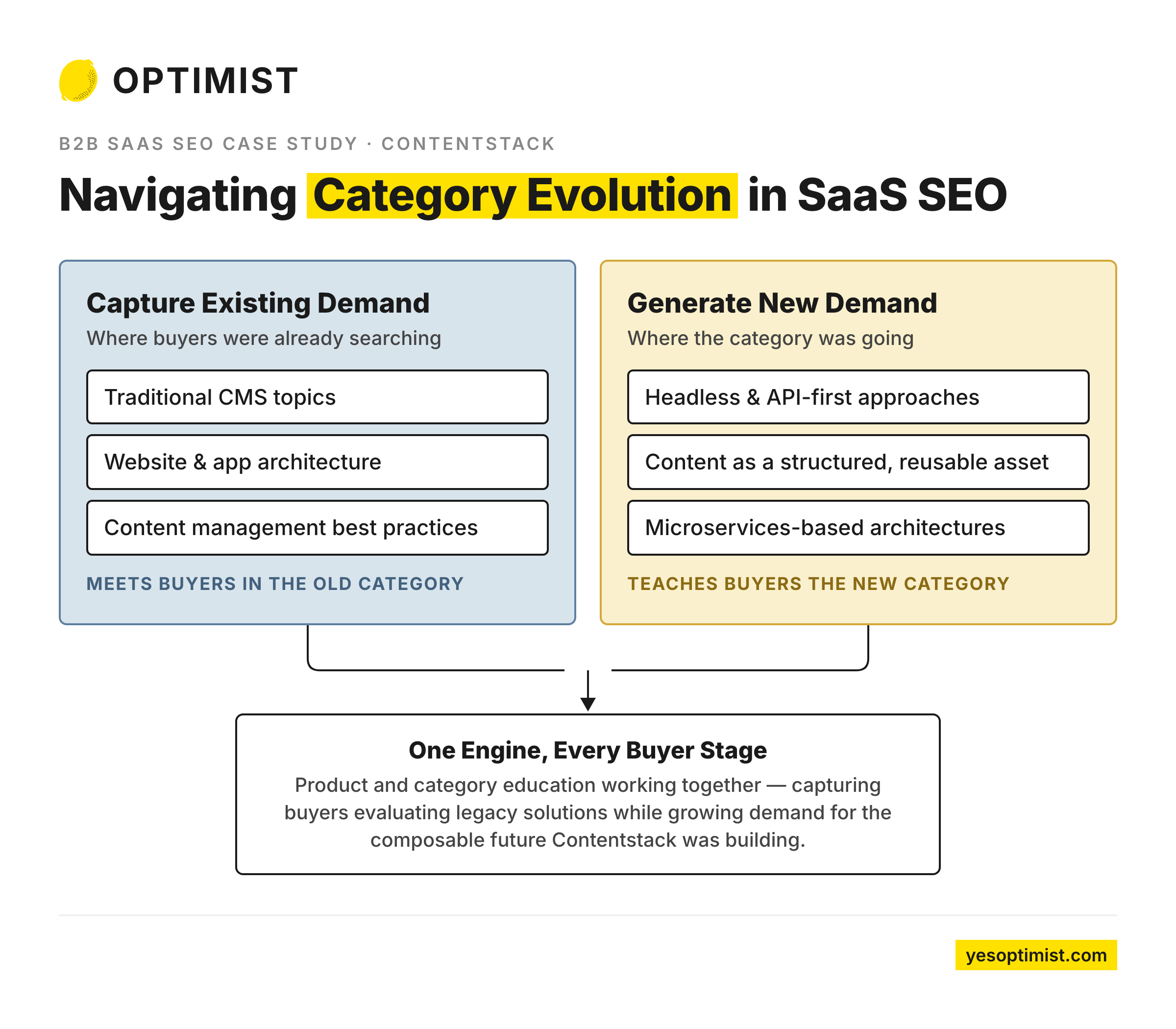
We had to both capture buyers who were beginning their purchase journey by looking at legacy solutions while also growing demand for the category evolution that Contentstack was ultimately building.
Targeting topics and keywords used by legacy players:
- Traditional CMS
- Website and app architecture
- Content management best practices
But also expanding outward to capture buyers who were investigating new solution categories:
- Headless and API-first approaches
- Content as a structured, reusable asset
- Microservices-based architectures
These two pieces of the strategy ultimately worked together to capture buyers at very different stages, drive product and category education, capture existing demand, and generate new demand.
Matthew Baier, Contentstack’s CMO, put it in one sentence: “The Optimist team has been a critical partner in our growth strategy at Contentstack. They’re truly the best in the content business.”
For enterprise SaaS specifically, the pattern is the same as Plytix and Popmenu but with a longer time horizon.
Build the category understanding first, own the evaluation vocabulary, and the pipeline follows.
Read the full case study with Contentstack.
What the Seven Wins Share
The industry’s habit of narrating case studies as “we built topic clusters, added schema, and improved page speed” is why most SEO case studies feel interchangeable and why buyers can’t tell working programs from thin ones.
You’ll notice that our case studies are different.
Sure, we talk about some of the tactical decisions, keyword categories, and content types we produced.
But the case study itself is fundamentally about the strategy that we pursued.
If you’re reading case studies that quickly dive into technical fixes and cookie-cutter tactics, that likely means the SEO agency that published it doesn’t put much thought into actual strategy and the approach looks basically the same for every client.
The seven case studies here are really about the strategic decisions that shape the execution.
Here are some of the key considerations baked into every success story.
Pipeline Was the North Star From Day One
Every engagement’s north star was a business outcome, chosen before the first content brief was written.
Signups for HelloSign, Glide, and Kubera.
Inbound pipeline for Stampli.
Inbound leads for Plytix.
Sales pipeline for Popmenu.
Enterprise pipeline and category positioning for Contentstack.
Pipeline360’s 2026 State of B2B Marketing Content survey found 54% of B2B marketers describe their strategy as “advanced,” yet only 19.1% track pipeline contribution as a key metric. Page views (40.4%), social followers (39.3%), and CTR (38.7%) still dominate. Content Marketing Institute’s 2026 B2B research found 40% of B2B marketers name creating content that prompts action as their biggest challenge, ahead of resource constraints and measuring effectiveness.
When the North Star is a business outcome, everything upstream gets re-scoped in service of it. Keyword targeting, page depth, CTA placement, internal-link structure, publishing cadence.
When the North Star is traffic (or some other “soft” KPI like AI visibility), you’re almost certainly aimed in the wrong direction. You’re chasing a goal that isn’t the actual goal, and the strategy and tactics will, undoubtedly reflect that.
It’s easier than ever to spend tens of thousands of dollars driving traffic or “visibility” for your brand and have nothing to show for it besides a pretty chart that’s 3 steps away from actual revenue.
The Strategy Anchored on Buyer Intent
Every one of these case studies started by understanding the buyer.
HelloSign’s buyer was already trying to sign, compare, or replace a document workflow.
Stampli’s buyer was a finance leader evaluating AP automation against a manual process.
Kubera’s buyer was a sophisticated wealth-tracker outgrowing spreadsheets.
Plytix’s buyer didn’t know they needed a PIM yet.
Popmenu’s buyer spoke restaurant-operator language and had no patience for horizontal SaaS marketing.
In the audits I run, this is the phase where most B2B SaaS programs go sideways. The keyword list arrives before anyone has any idea what a converting buyer actually looks like, and the content that follows is built to rank rather than to convert.
None of the seven engagements began with a keyword list or a competitor keyword dump from Ahrefs.
They began with a diagnostic on the buyer’s actual state, the metric that would count as pipeline for that buyer, and the constraint the product uniquely relieves. The keyword universe gets built from that analysis.
B2B buying is often a process of confirmation.
Forrester’s 2024 Buyers’ Journey Survey found that 41% of B2B buyers already have a preferred vendor selected before formal evaluation begins, and 92% start with at least one vendor in mind.
Content that starts from buyer intent and gets the buyer’s language, constraint, and stage right is what drives purchase decisions.
Product Surfaces Drove the Content Selection
Success B2B SaaS SEO builds toward the product’s natural advantages, not away from them.
Templates for Glide.
Portfolio tracking for Kubera.
PIMs constraint for Plytix.
Menu, ordering, and marketing for Popmenu.
E-signature workflow for HelloSign.
In every case, the specific feature, use case, or problem the product uniquely handles anchored the content strategy.
The keyword layer sat on top of the product-surface layer. That’s the inversion most B2B SaaS content teams get backward. When keywords lead, content orbits topics the product doesn’t uniquely serve, ranks for informational queries that don’t convert, and produces a traffic curve without a signup curve. When product surfaces lead, the content answers the specific questions the product exists to solve, and the buyer who lands on the page is already close to conversion.
The product is the strategy.
Category Creation Happens Through Full-Funnel Strategy
Plytix taught buyers what a PIM was for.
Contentstack reshaped how buyers evaluated composable DXP.
Kubera repositioned wealth tracking against custom spreadsheets.
Stampli operated at the intersection of AP automation and enterprise procurement, a category that didn’t fully exist as its own search vertical until Stampli helped define it.
For any B2B SaaS in a nascent, redefined, or misunderstood category, the content strategy has to include category building or demand generation. They’re intrinsically linked. You can’t capture inbound demand if no demand exists and buyers can’t search for a category they don’t recognize.
This is another place where many agencies and consultants try to take shortcuts.
They just straight to “bottom of the funnel” because it’s the shortest route to revenue. (That’s often true.) But that sequence only works if there’s already demonstrable demand and your product slots clearly into the existing product category.
If you’re selling a new solution to an old problem?
Not so easy.
Categories get built by teaching buyers how to think about their most pressing problems. Sometimes in new ways.
Building on These Case Studies: The AI-Driven Future
Everything above happened before “AEO” or “GEO” were a term.
Today, it’s unequivocal.
Your B2B SaaS SEO strategy must include an AI search optimization strategy.
Or you’ll quickly become invisible to buyers.
G2’s Answer Economy 2026 found51% of B2B software buyers begin software research in AI chatbots more often than Google, up from 29% eleven months prior, and 69% chose a different vendor than initially planned based on AI chatbot guidance.
Wynter’s B2B SaaS CMO survey found 84% use AI tools for vendor discovery, up from 24% in 2025.
Answer engine optimization (AEO) is all about creating and structuring content so AI systems like ChatGPT, Perplexity, Gemini, and Google AI Overviews mention and recommend the brand when buyers ask evaluation questions.
It requires new considerations that go beyond “traditional SEO”.

But the foundations of the SEO case studies above are baked into successful AI search optimization strategies.
Content coverage means mapping the entire topic universe that’s relevant to your buyers and your business – and creating content to serve each one.
Narrative construction and messaging clarity mean creating content that lays out a clear throughline from the problem, pain point, or JTBD your buyers experience to how your product actually solves it.
Messaging consistency and authority are the basic elements of online brand building and reputation management.
That’s not to say that all it requires to show up in AI search is basic SEO practices.
(That’s rarely the case).
But the programs that keep compounding under this shift already had the structure baked in.
AEO and GEO performance are built on strong SEO foundations.
Optimist has three published AEO case studies that show how our strategies have adapted and evolved to continue driving growth in the AI era:
- 49x LLM referral revenue for a B2B technology client
- 8x LLM conversions for a fintech
- 13x LLM-sourced revenue year-over-year for a retail (B2C/D2C) brand
These were SEO programs that already had the buyer-anchored, product-surface-first, category-building structure in place. Evolving the strategy for the AI-search era rewarded the pattern that was already there.
The Codified Version Is the CORE Framework
Optimist’s framework for driving SEO and AEO growth for B2B SaaS clients is called The Complete Organic Revenue Engine (CORE) Framework.
It spans both traditional search and AI/LLM discovery.
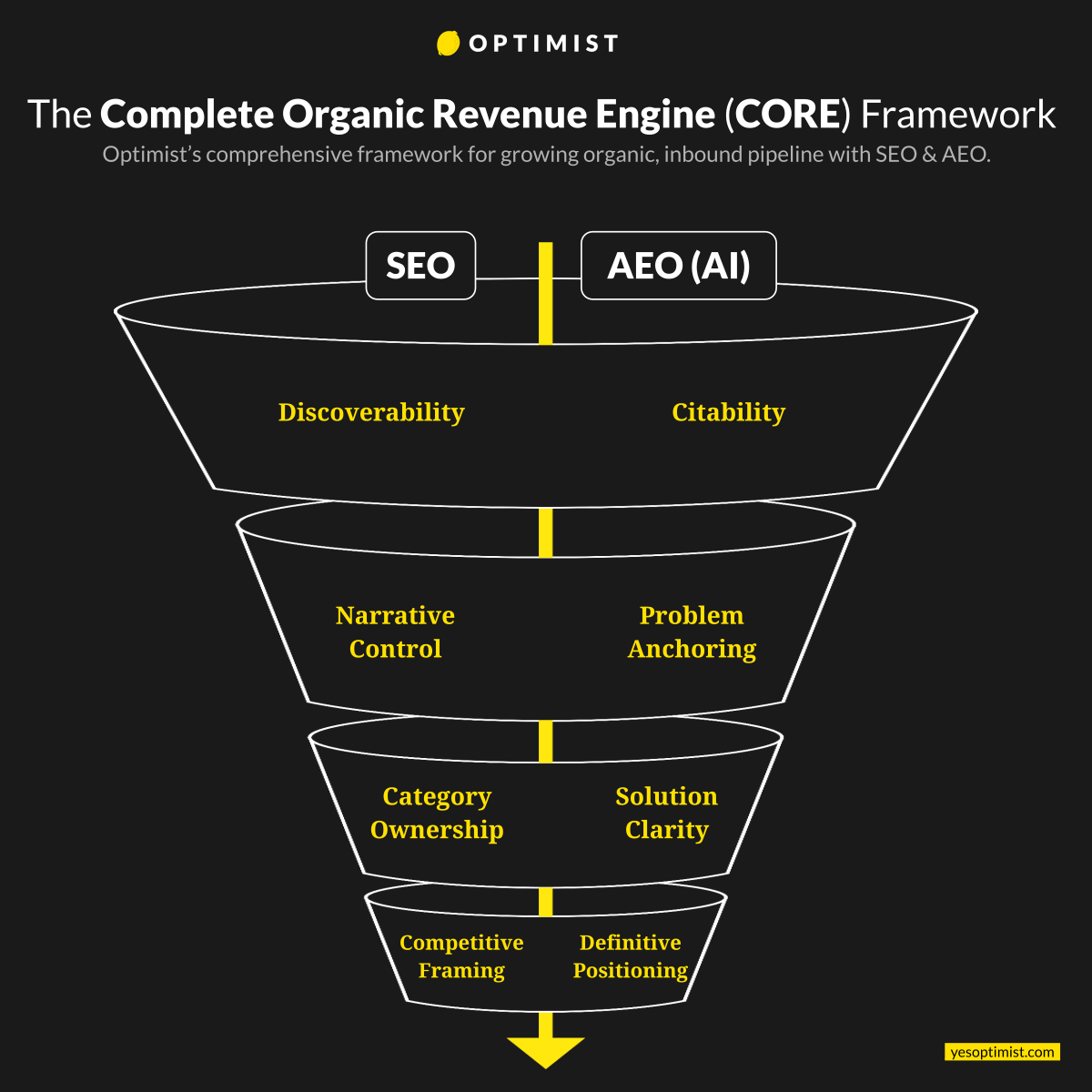
When we work with clients using the CORE Framework, we’re applying the exact same logical and strategic process that’s worked for our clients for over a decade.
We start with strategy – not tactics.
We analyze your brand’s current performance.
Then we build a customized strategy and prioritized roadmap for driving growth.
It’s not exactly rocket science. But, damn. So many agencies want to jump straight to keywords and tactical execution, they barely have time to even understand what your business does.
Successful SEO for B2B SaaS is all about finding your path to growth.
And it won’t look exactly like someone else’s.
Let’s Build Your Organic Growth Strategy
If you’re looking for a partner to build your B2B SaaS SEO strategy based on proven strategies, consistent principles, and data-driven practices, let’s talk.
Schedule a time to discuss your goals and see how we can help.
Frequently Asked Questions About B2B SaaS SEO Case Studies
What makes a B2B SaaS SEO case study credible?
A B2B SaaS SEO case study is credible when the top-line stat is pipeline, signups, or revenue, never traffic. Traffic curves and ranking charts are inputs, not outcomes. Look for case studies that lead with a business outcome (Stampli’s 5x monthly pipeline, HelloSign’s $230M acquisition, Kubera’s 43x product signups) and treat traffic as a supporting indicator. The metric a case study leads with tells you what the agency was measured against.
How long does B2B SaaS SEO take to produce pipeline?
B2B SaaS SEO typically produces measurable pipeline in 2 to 3 months. Compounding returns show up between months 6 and 12. The engagements above roughly followed this arc. Glide’s 14x signups came in about 12 months. Kubera’s 43x came in 15. Stampli’s compound gains stretched across seven years and multiple funding rounds.
Which B2B SaaS SEO strategies actually work?
The strategies that work anchor on buyer intent and product surfaces, not keyword universes. In the seven Optimist engagements above, the operating pattern is consistent. Measure against pipeline from day one. Build the keyword layer from a diagnostic on the buyer’s actual state. Let product surfaces (templates, use cases, integrations) drive content selection. Treat category education as part of the strategy for nascent or redefined categories. Optimist’s SaaS SEO strategy piece covers the full model.
Is SEO still worth investing in for B2B SaaS given AI search?
Yes. SEO remains the foundation and answer engine optimization (AEO) is the layer that sits on top of it. Google’s Search Liaison Danny Sullivan put it plainly: “Good SEO is good GEO, or AEO, AIO, LLM SEO.” The decisions that produce durable B2B SaaS SEO wins (entity clarity, buyer-intent mapping, product-surface anchoring, full-funnel narrative) are the same decisions that produce brand mentions in AI answer engines. When I audit programs today, the ones holding up under the AI-search shift are the ones that had this structure already.
What separates B2B SaaS SEO from horizontal or e-commerce SEO?
B2B SaaS SEO is anchored to product signups, trial activations, MQLs, and sales pipeline. Those outcomes require a longer buyer journey, a more specific product surface, and often significant category education before the buyer will convert. Horizontal SEO can succeed against generic informational traffic. B2B SaaS SEO succeeds only when the content strategy is scoped to the specific buyer, the specific constraint, and the specific product surface. That’s the pattern the seven case studies above share, and it’s why B2B SaaS content programs measured against traffic tend to produce traffic without pipeline.
How do I evaluate a B2B SaaS SEO agency?
Read three of their published case studies and check the top-line metric on each. If the headline is traffic, sessions, impressions, or rank, the agency was measured against those metrics, and the pipeline story, if it exists, is elsewhere. If the headline is pipeline, signups, revenue, or an acquisition outcome, the contract was pipeline. Finally, ask which specific decisions produced the outcome. Programs that hold up name a small number of buyer-anchored decisions. Programs that don’t recite tactic checklists.
